EN

 ETF schoolLevel 1Basics9 minUpdated
Broad equity ETFs: S&P 500 or the world?
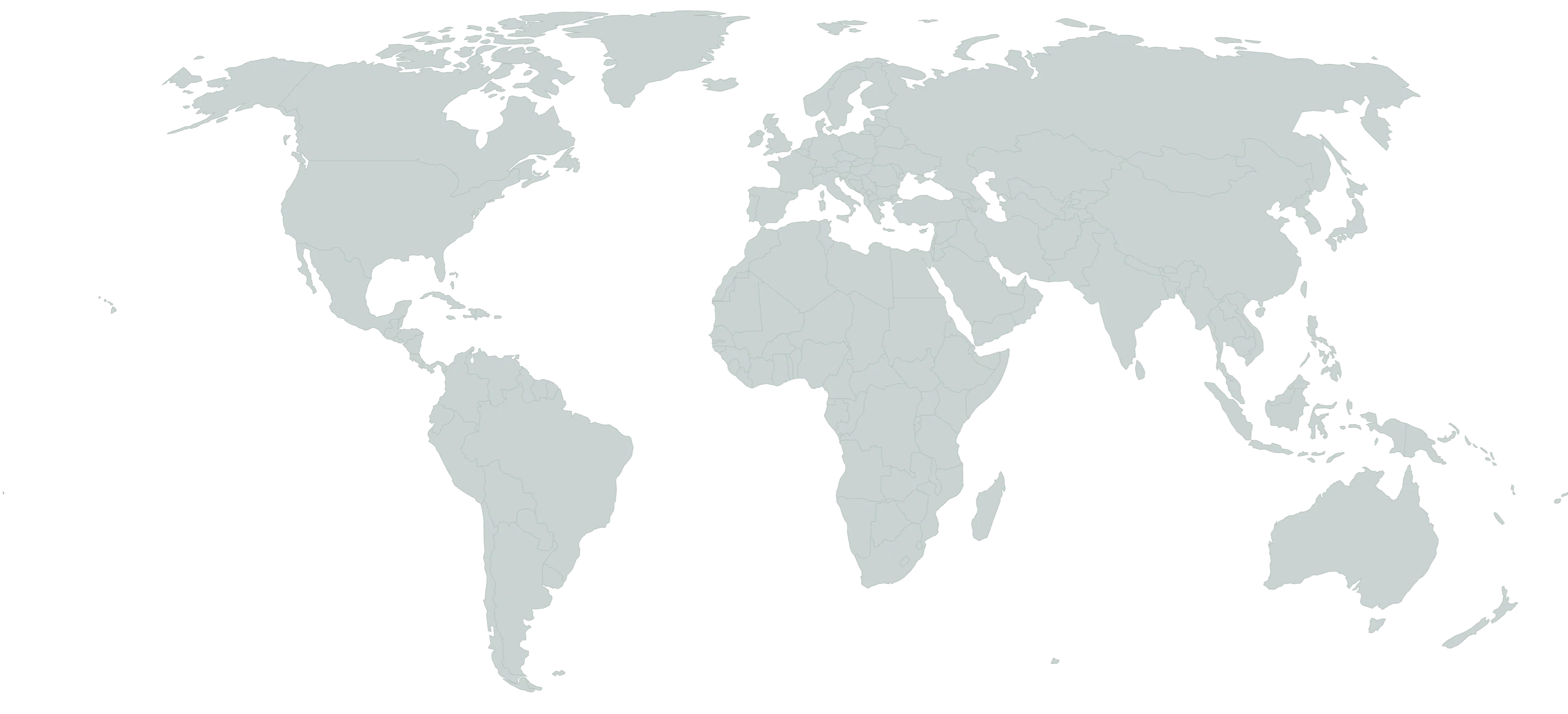
The same product type can mean very different exposure. The S&P 500 is 500 large US companies, MSCI World covers 23 developed markets and ACWI also includes the emerging ones. Choosing between them is the single most important decision an ETF investor makes.
The same product type, very different exposure
Equity ETFs are the largest group of ETFs, and the range within them is huge. One equity ETF can hold about 1,400 companies from 23 developed countries. Another can hold 25 companies from a single country. Both are “equity ETFs”.
The most common ways to divide them
- Geography: the world, developed markets, emerging markets, a region or a single country.
- Company size: large (large cap), mid-sized or small companies (small cap).
- Investment style: value, growth or quality companies.
- Sustainability screens: ESG- or SRI-screened indices.
Global equities · United States · Europe · Emerging markets · Small companies · Value · growth · quality
Broad or targeted?
Return, risk and time horizon
Of all asset classes, stocks have the highest long-term expected return, and also the biggest volatility. In practice, this means that the value of an equity ETF can fall significantly and stay lower even for long periods.
That's why an equity ETF is usually suited to money that you won't need in the short term. The longer the time horizon, the more time the swings have to even out.
Market-cap weighting is the starting point
Most broad indices weight companies by market cap: the largest company gets the largest weight. This is a transparent and inexpensive rule, because the weights update automatically as prices move.
As a result, the contents of the index show what the market looks like now, not what it should look like. When a market region or industry grows, its weight in the index grows at the same time.
The four most common scopes
Home bias and overlap
Two common pitfalls. Home bias means the tendency to overweight your own market just because it's familiar. Finland's share of the world stock market is very small.
The other is overlap: if your portfolio holds a world index and a US index on top of it, the same large companies are included twice. The number of lines grows, but diversification doesn't.
This content is for information purposes only and should not be construed as investment advice or a recommendation. Investing always involves the risk of losing capital. The value of financial instruments and investments can go up or down, and past performance is no guarantee of future returns. The calculators and comparisons are illustrative.
Your progress is saved in this browser.